
Loneliness in the Age of Hyperconnectivity
Figure 1. Video on the impact of the digital world on loneliness.
"Life is too short to be bored in solitude." — Friedrich Nietzsche
"Each of us carries a room inside ourselves." — Virginia Woolf
Nietzsche and Woolf — like so many other thinkers — did not fear solitude. They cultivated it as fertile ground for creating, healing and rediscovering themselves. For them, solitude was not a void to be filled, but a space to be inhabited. Nietzsche understood it as a necessary condition for deep thought — a way to break free from social conventions and explore the authenticity of being. Woolf, for her part, turned it into a symbol of intellectual and emotional independence, especially for women who sought their own space from which to write, think and exist without interruption.
To connect that classical solitude with the contemporary: the solitude of Nietzsche and Woolf shares the idea of a productive silence, but today that silence competes with digital stimuli that activate reward circuits. In this way, the contemplative experience is put under tension by the logic of hyperconnectivity.
In other words, the chosen solitude of the humanist tradition collides with a solitude interrupted by notifications and variable rewards that fragment attention and reduce the capacity for sustained introspection.
Both authors invite us to reconsider solitude not as a lack, but as a possibility. In their works, solitude appears as a privileged state for introspection, creativity and personal transformation. It is in that chosen silence where the most powerful ideas emerge, the deepest questions arise, and the most revealing works are born.
Loneliness in the Age of Hyperconnectivity
Today, however, in a hyperconnected world, being alone does not always mean being at peace. We live in an era where digital distraction replaces inner dialogue, turning solitude into an increasingly diffuse experience. The constant presence of screens, notifications and social networks has altered our relationship with time, space and silence. It is no longer necessary to be physically accompanied to feel invaded: a switched-on device is enough to let the entire world into our inner room.
The design logic of digital platforms — intermittent reinforcement, infinite scroll and variable rewards — is built to capture and hold attention. That design makes it harder to tolerate the absence of stimuli and, consequently, to be alone without seeking external gratification.
Problematic use of social networks is associated with higher levels of perceived loneliness and an increase in anxious and depressive symptoms in population-based studies, making hyperconnectivity a risk factor when used as an emotional avoidance strategy.
This phenomenon not only modifies our perception of the environment, but also our neurochemistry. Every time we receive a notification, the brain releases dopamine. This effect generates a momentary sense of gratification that reinforces the compulsive habit of checking our phone, even in moments of solitude.
The solitude that once could be a fertile space for introspection is interrupted by the constant search for stimulation. Rather than inhabiting silence, we avoid it. Rather than listening to our emotions, we displace them with external content. This dynamic creates a paradox: the more we seek digital connection, the further we drift from inner connection.
Byung-Chul Han, in his book Non-Things, warns about how digitalization has transformed our relationship with reality. Instead of pausing to inhabit our solitude, we replace it with constant stimuli that prevent any confrontation with our own inner world.
Chosen or Imposed Loneliness?
Loneliness still exists, but it has changed shape. While some seek it as a refuge, others endure it in the midst of a hyperconnectivity that does not truly allow them to be with themselves.
Keys for Distinguishing Them
- A sense of inner calm.
- Creative or reflective energy.
- Enjoyment of solo activities.
- A sense of autonomy in relationships.
- A sense of emptiness or hopelessness.
- Bodily activation (tension) at the thought of being alone.
- Persistent rumination.
- Avoidance of social encounters out of fear or shame.
Imposed loneliness is associated with a higher risk to physical and mental health (inflammatory processes, immune system alterations).
The Core of Loneliness in the Digital Age
"Loneliness is and always has been the central and inevitable experience of every man." — Thomas Wolfe
Digitalization has given us access to instant information, but what happens to introspection? Loneliness is no longer merely the absence of company; it is the difficulty of being with oneself without distractions.
- Existential: It confronts us with the fundamental question of the meaning of life — now harder to answer amid constant stimuli.
- Emotional: Despite being "connected" all the time, many relationships lack depth.
- Creative: Hyperconnectivity interrupts spaces for reflection and artistic production, making them increasingly scarce.
Neurobiology of Loneliness
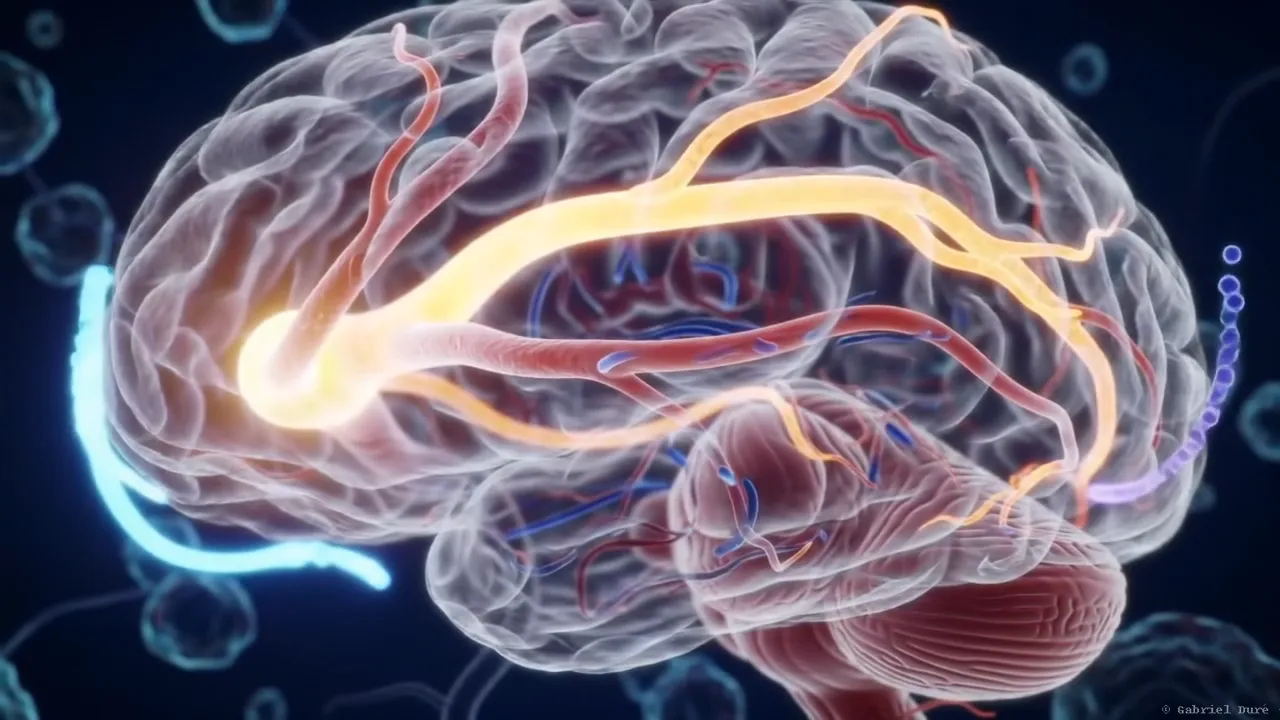
Loneliness is not only an emotional experience; it is also a deeply rooted biological response in our nervous system. From an evolutionary perspective, social isolation represented a direct threat to survival. That is why the brain developed mechanisms to detect disconnection and activate an alarm signal: the feeling of loneliness.
🔍 The Brain's Interpretation of Isolation
- Neuroception: The unconscious system that assesses whether we are safe or at social risk. When it detects disconnection, it triggers the emotional alarm.
- Loneliness vs. physical isolation: It is not about being physically alone, but about feeling that authentic connection is missing.
- Evolutionary alarm: The discomfort of loneliness is a biological signal urging us to seek bonds — just as hunger urges us to seek food.
⚠️ Chronicity and Risks
When loneliness is prolonged, the brain begins to operate in defense mode. It does not respond to superficial interactions or "likes"; it needs real human contact. This chronification produces neurophysiological changes.
🧠 Brain Changes
- Amygdala (hypervigilance): Activates more frequently, interpreting neutral gestures as threats.
- Prefrontal cortex (emotional control): Its activity diminishes, leading to impulsivity and difficulty thinking clearly.
- Anterior cingulate cortex (social pain): Activates just as it would in response to physical pain. For the brain, rejection hurts like an injury.
🔄 A Vicious Cycle
The more isolated a person feels, the more the amygdala activates, the harder it becomes to interpret social signals, and the more withdrawal is reinforced — perpetuating the cycle of loneliness.
Impact on Physical Health
- Chronic inflammation: Increased cardiovascular risk and cognitive deterioration.
- Weakened immune system: Reduced capacity for recovery.
- Sleep problems: Hypervigilance hinders deep rest.
- Emotional disorders: Higher risk of anxiety and depression.
Practical Tools for Inhabiting Solitude
1. Mini guide to digital micro-hygiene
- Screen-free windows: Set aside 30–60 minutes daily, plus one day per week without social media.
- Notifications: Disable non-essential ones; schedule specific times to check your phone.
- Timers: Use them for work sessions or contemplation without interruption.
2. Reconnection practices
- Deep conversations: Schedule a weekly device-free chat with someone you trust.
- Creative activities in solitude: Write for 15 minutes a day, draw or play an instrument.
- Bodily presence: Walks without your phone, breathing exercises or brief mindfulness practices.
3. Anchoring routines
- Gratitude journal or sensations log (5 minutes a day).
- Start-of-day and end-of-day rituals (reading, breathing, switching off screens).
If loneliness persists and becomes paralyzing, if there are suicidal thoughts, severe insomnia, loss of appetite or substance use to "fill" the void.
Closing Metaphor
The alarm of loneliness works like a smoke detector. If it sounds constantly without resolution, it not only makes us hypersensitive, but begins to damage the structure of the house: our body and mind.
Final Reflection
"If you are lonely, it is because you have chosen yourself." — Carl Jung
Loneliness forces us to ask who we are when no external voices define us. Choosing solitude is not a withdrawal, but an opening toward a life.
Choosing solitude requires responsibility and practice; suffering it demands intervention and accompaniment. Both experiences deserve recognition and concrete tools to transform them.
In closing: Solitude can be both refuge and risk; the difference lies in the quality of the relationship we maintain with ourselves and with others. Cultivating the ability to be alone without fleeing the experience is a practice that requires time, boundaries and concrete tools.
Crisis Help 24h
-
USA — Crisis Line988
-
UK — Samaritans116 123
-
Australia — Lifeline13 11 14
- International Chat (Befrienders)
Recommended Reading
- Byung-Chul Han - Non-Things.
- Virginia Woolf - A Room of One's Own.
- Turkle, S. - Reclaiming Conversation.
- Jung, C. G. - Collected Works.